About Intake Well Work
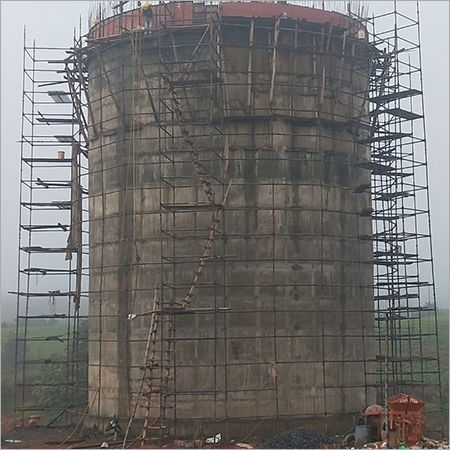
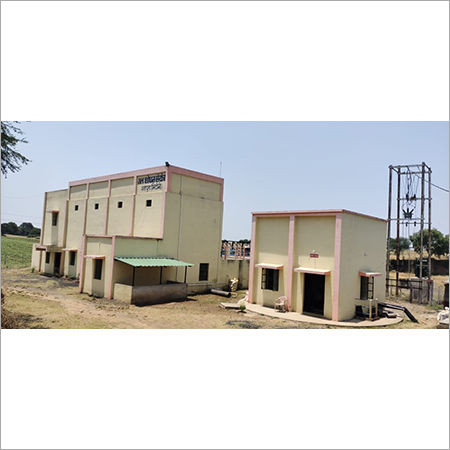
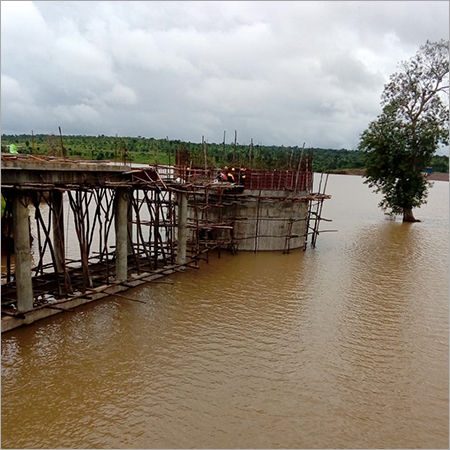
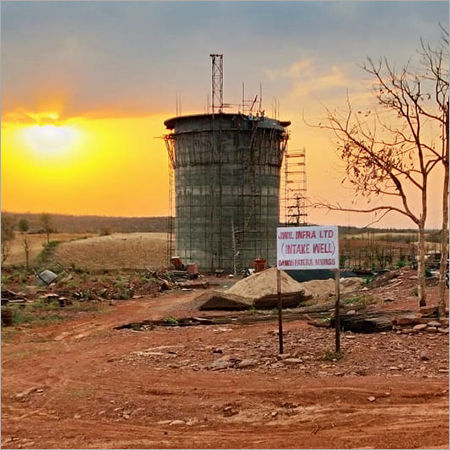
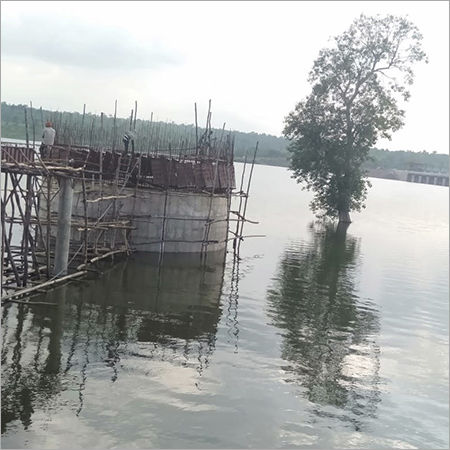
The primary function of an intake well is to collect water from a natural water source like a river, lake or reservoir. The collected water can be used for various purposes like drinking, irrigation, industrial processes, etc.The work involved in constructing an intake well includes site selection, design, and construction. Site selection involves identifying a location that is close to the water source and has suitable ground conditions to construct the well. The design of the intake well includes the dimensions of the structure, the type of materials used, the depth of the well, and the type of screens or grates used to prevent debris and sediment from entering the well.
Engineered for Durability and LongevityIntake wells are constructed to deliver over three decades of reliable service while minimizing maintenance requirements. By following IS 3370 and BIS norms, our wells assure structural integrity and corrosion resistance, even in challenging aquatic environments.
Installation Tailored to Your SiteWe provide flexible installation options, deploying cranes or manual methods, as required by site conditions. Each project benefits from customized intake well designs, aligning with unique geographic and operational demands.
Expert Service Across IndiaOur service team brings expertise to various regions and terrains nationwide, ensuring intake wells meet both regulatory standards and client expectations. From initial consultation to final commissioning, we prioritize safety and efficiency.
FAQs of Intake Well Work:
Q: How are intake wells installed at river, lake, canal, or reservoir sites in India?
A: Intake wells are installed directly at your chosen water body location using either crane-assisted or manual methods, depending on site accessibility and project scale. This approach allows precise placement and integration into existing infrastructure.
Q: What standards do intake wells adhere to for design and quality assurance?
A: All intake wells are designed and constructed in accordance with IS 3370 and BIS norms, ensuring compliance with industry benchmarks for safety, durability, and performance.
Q: When should intake wells be considered for water management projects?
A: Intake wells are ideal for new constructions, expansions, or replacement of aging infrastructure in water collection systems for rivers, lakes, canals, or reservoirs, especially when long-term service life and low maintenance are priorities.
Q: Where can your intake well solutions be deployed?
A: Our intake wells are suitable for placement in a diverse range of water bodies, including rivers, lakes, canals, and reservoirs throughout India, tailored to local environmental and operational considerations.
Q: What is the process for customizing an intake well for a specific project?
A: Customization begins with a project assessment, where requirements are gathered regarding site conditions, water volume, and design preferences. Our engineering team then develops a tailored intake well solution that aligns with those needs.
Q: How does low maintenance benefit facility operators?
A: The robust construction and material selection following IS 3370 and BIS standards result in minimal upkeep requirements, reducing operational costs and downtime for facility operators over the wells extended service life.
Q: What are the main benefits of choosing your intake well services?
A: Primary benefits include compliance with national standards, longevity exceeding 30 years, flexible installation options, and full customizability. These features ensure reliable water intake and reduced lifecycle costs for clients.







 Send Inquiry

 Send Inquiry
 Send Inquiry
 Send SMS